Our History of Supporting Individuals and Strengthening Communities
Our History
The first community classes serving children with developmental delays or disabilities were held in an old school building in Pleasant Plain, Ohio. Operated by the Tri-County Council for Retarded Children, classes began being held there in early 1953. The Tri-County Council represented Clermont, Warren, and Highland Counties. Mrs. Ruth Martin was the first teacher of this class. The Council was incorporated on April 5, 1954, and continued to operate the school in Pleasant Plain. In 1955, the public schools were required to pay tuition to the council, and local boards of education paid $30 per child per month.
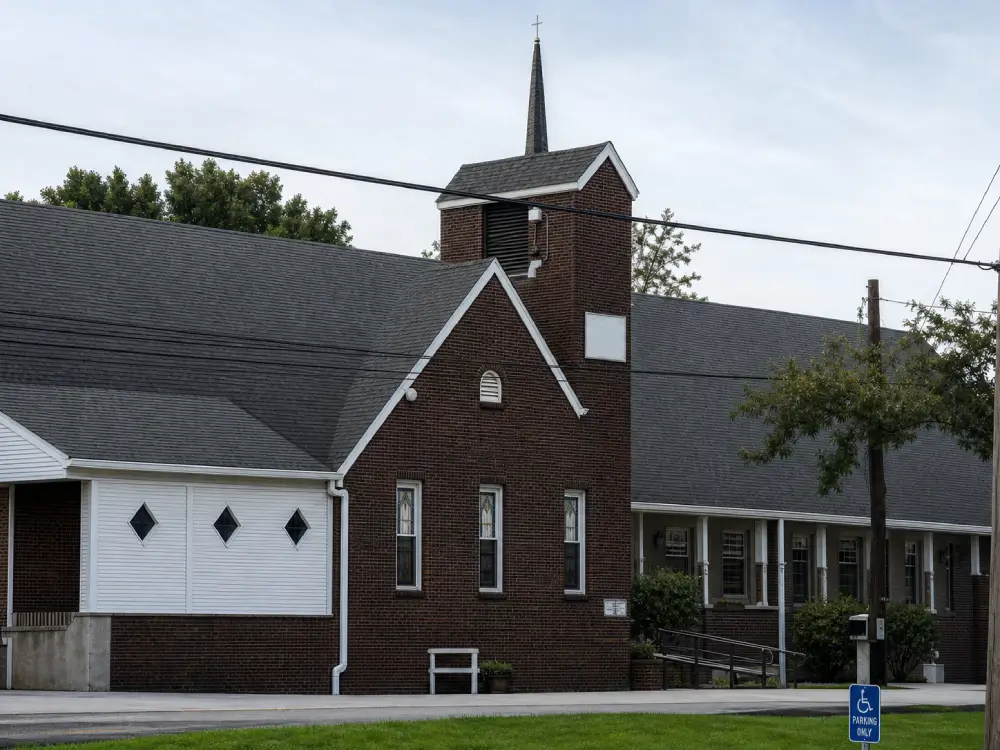
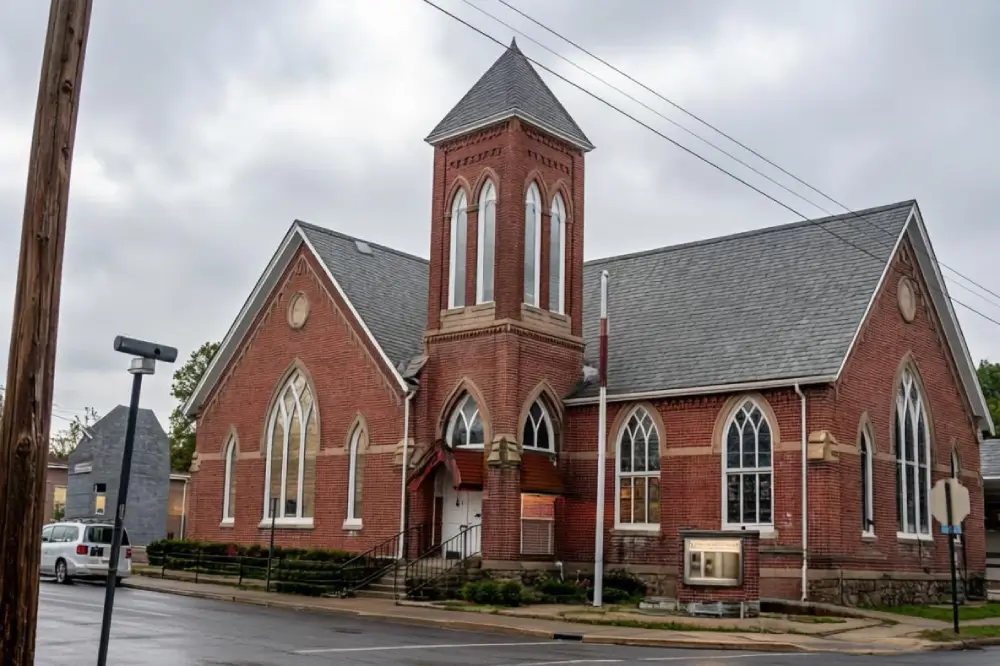
Lindale Baptist Church
In 1961, some major changes were made in the direction of the education of students with special needs. The Ohio Legislature made it mandatory that these classes be financed and administered by the County Commissioners under the direction of what was then known as the Welfare Department and Children’s Services. The tuition being paid by the local school districts was also made mandatory under this legislation. United Appeal money for this program was withdrawn, and the Ohio Department of Mental Hygiene was responsible for paying $300 per child.
Lindale School had grown to three classes by 1962 and five classes in 1963. In 1963, these classes moved to a building on Main Street in Batavia, Ohio. In September 1964, the classes moved to Summerside Baptist Church and in 1965 to the newly-remodeled Old County Home, located on State Route 222 in Batavia. The Clermont County Commissioners had reserved space in this building for these classes.
Seeing the need to begin working with younger children with disabilities at an early age, the Clermont County ARC began operation of the first preschool class on February, 1967 at All Saints Lutheran Church in Mt. Carmel. Administration of the preschool class was assumed by the County Commissioners in September 1967. Other homes for classes were the Batavia Methodist Church and the American Legion Hall on Old State Route 32 in Batavia.
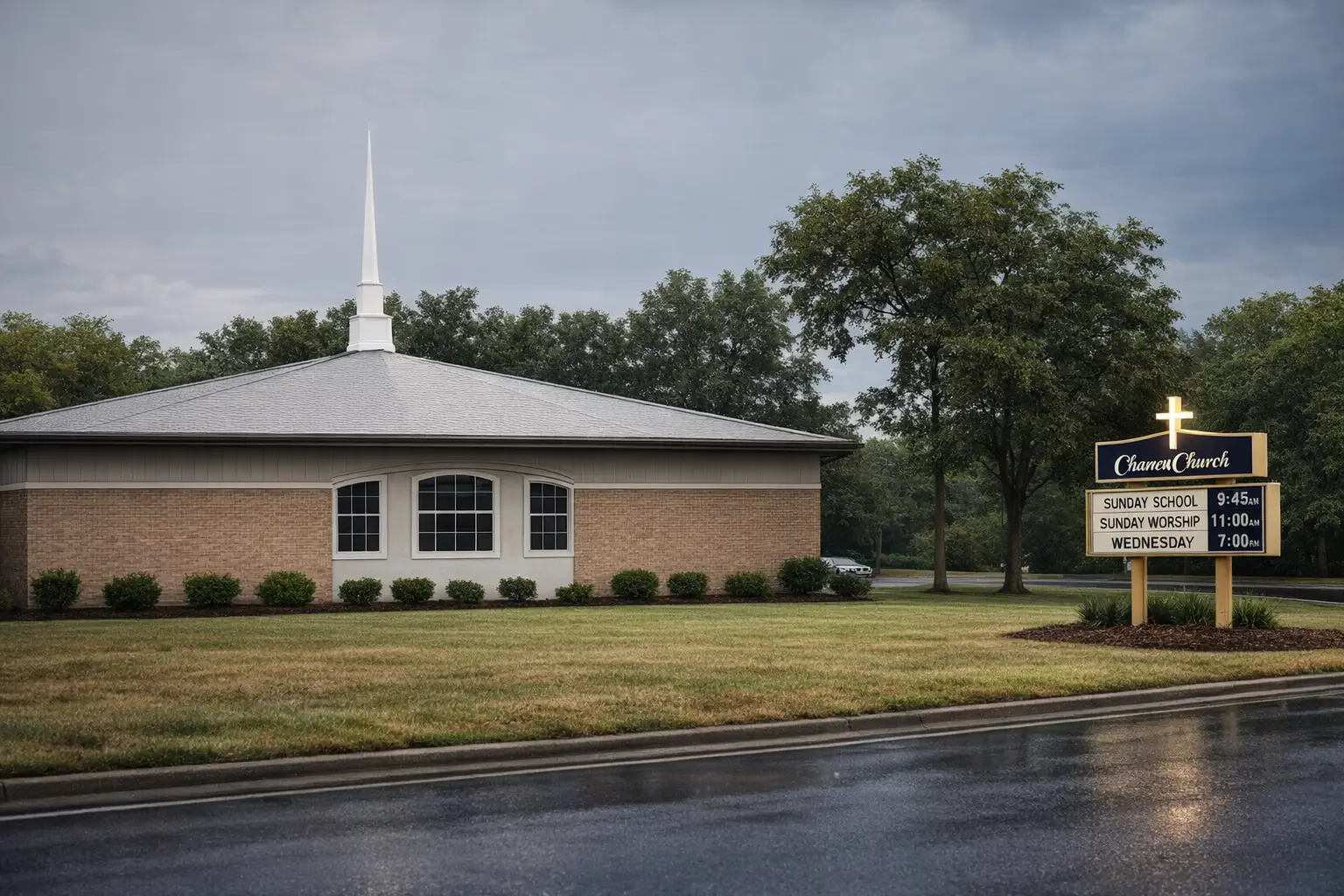
By 1965, Lindale School had five classes and moved through several Batavia locations.
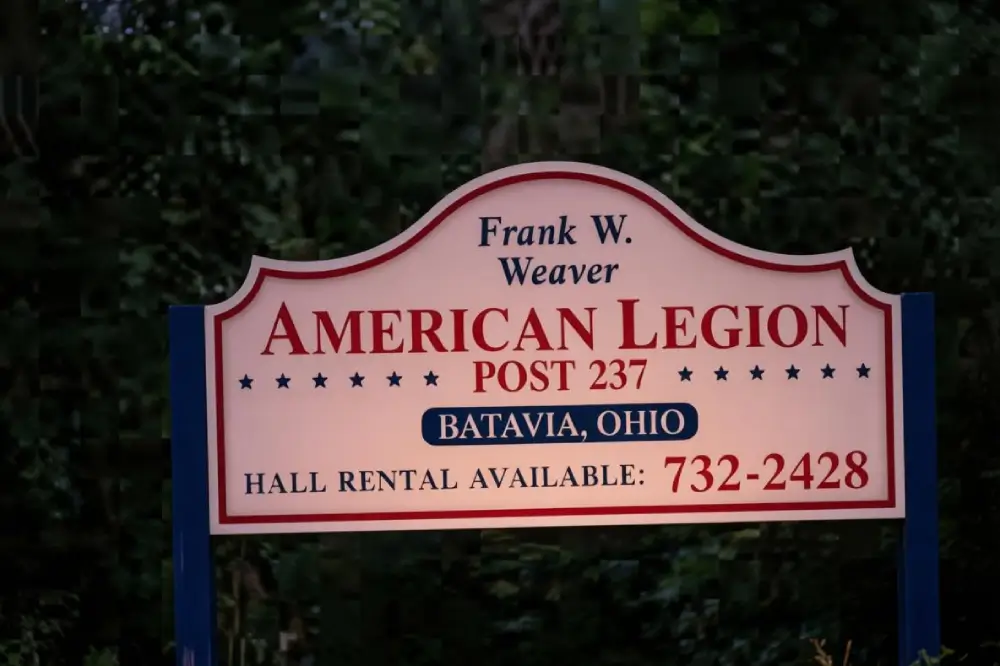
In 1967, Clermont County started its first preschool for children with disabilities, later run by the County Commissioners.
After Senate Bill 169, there were eight school-age classes and two preschool classes at various Batavia locations.
Senate Bill 169 was passed on July 18, 1967, to be effective on October 25, 1967; this bill mandated services be provided to citizens of counties who had an intellectual or developmental disability including those who had been adjudged by the proper authorities to be ineligible for enrollment in public schools. The procedure for this came under the direction of a seven-member board.
The first meeting of the newly-created Clermont County Board of Mental Retardation was held on November 24, 1967 (now known as the Clermont County Board of Developmental Disabilities). Senate Bill 169 mandated that five members of the Board be appointed by the Clermont County Commissioners and two be appointed by the Probate Judge. Of the five appointed by the County Commissioners, at least one had to be the parent of a person with a developmental disability, and four were described as “interested and knowledgeable” in this field. (These requirements have since changed.) Board members (then and now) serve their terms without compensation but are reimbursed for necessary expenses incurred in the conduct of Board business.
Clermont County Commissioners Ralph Houser, Arthur Blake, and Stanley Cann were present at the first meeting and conducted the meeting during the election of officers. Donald A. Collins of Williamsburg Township was elected Chairman of the Board; Thomas A. Wildey of Monroe Township was elected Vice Chairman; Ann Ferguson of Miami Township was elected Secretary. Other members of this board included Walter Bolender, Gilbert Dale, Donald Dragoo, and Sheddie Hondorf. (Mrs. Hondorf had previously been conducting a music and physical education program for the students…she was the first volunteer of our organization.)
Adults were being served in a sheltered workshop setting operated by the Clermont County ARC. Ida Kennard of Batavia was the Chairman of the Sheltered Workshop Board, which was funded by United Appeal (63%). In 1973, the program moved to a building on State Route 276 in Owensville and became known as Clerco (short for Clermont County). In later years, a building was rented in the Milford TechneCenter for leisure-based classes…these classes moved to the new Donald A. Collins Center in the Clermont County Airport Industrial Park (Batavia) in 1990. Clerco and the sheltered workshop portion of the Adult Services Program moved to the Grissom Building in the same industrial park in 1995 and expanded to a third workshop, the Krenning Center, in 1997.
The Special Education Training Center was dedicated on June 23, 1974 and later became known as the Thomas A. Wildey Center. Once used primarily for school-age classes, this building now houses the Superintendent and Administration Offices, Early Childhood Services for infants and toddlers, the Wildey School Age Program, community support services, service and support administration, and the facilities/maintenance/custodial departments. In the early 2000’s, leisure-based services and retirement programs for adults were held at the Wildey Center.
In 2009, a group of concerned individuals with disabilities once again approached their local legislators to ask for a name change. They felt the term “Mental Retardation” needed to be removed from the MRDD name because too many people used it in a derogatory fashion. On July 7, 2009, Governor Ted Strickland signed Senate Bill 79—the Name Change Bill—which changed the future of programs across the state. As of October 5, 2009, the Ohio Department of MRDD in Columbus became the Ohio Department of Developmental Disabilities (shortened to DODD when necessary), and all County Board programs like ours in Clermont County changed their names accordingly.
Clermont DD celebrated its 50th anniversary on October 25, 2017. Throughout the anniversary year, several observances and events were planned. The annual Good Fortune Dinner was held on October 25, 2017 with a record crowd in attendance. In 2022, we celebrated our 55th anniversary, and are looking forward to #60 in 2027.
Over the past several years, we have seen a significant change in how people with disabilities gain an education, learn work skills, and are included in their community. We began with a school and a workshop, and now (55+ years later) offer several services spanning age groups from birth through retirement ages, employment assistance, family resources, respite opportunities, and more.
We have learned a lot over this span of time. We have learned to “put the person first” when speaking about people with disabilities. We have learned that a workshop offering the same services for everyone is not always the best alternative for people with disabilities. We have learned that if babies who have delays and their families receive services at the earliest age, they can reach those developmental milestones and go on to enroll in public schools. We have learned that adults with disabilities can obtain jobs in the community and become taxpaying citizens. We have learned that people with disabilities have the right to a life of dignity and the right to live, work and participate in their communities.
The Clermont County Board of Developmental Disabilities has been opening doors for people with disabilities for over 55 years. Doors to schools, businesses, and homes…doors to ideas and relationships. And perhaps, the most important–people with disabilities have opened many of those doors themselves.