
You’re Not Alone. We’re Here to Help you Take the First Step
Our goal is to make getting services clear, supportive, and easy to understand for individuals and families.
Let’s Find Out What Services You’re Eligible For

Early Intervention (Birth to Age 3)
Overview
EI services support parents of infants and toddlers with developmental delays and disabilities. EI is grounded in the philosophy that young children learn best from familiar people in familiar settings. That’s why your EI team, which includes a service coordinator and service providers, works with you in your home or other places you and your family spend time to develop a coordinated plan
Family Support & Collaboration
EI builds upon and provides supports and resources to assist parents and caregivers to enhance children’s learning and development through everyday routines. It is a collaborative, home and community-based system where you and a team work together to provide ongoing support to your child.
Eligibility for Early Intervention (Birth to Age 3)
Our team works closely with families to complete evaluations and determine appropriate supports. We help guide families through the eligibility process and connect them with services as early as possible.
Early identification and intervention are key to supporting long-term development.

Preschool Age Services (Ages 3–5)
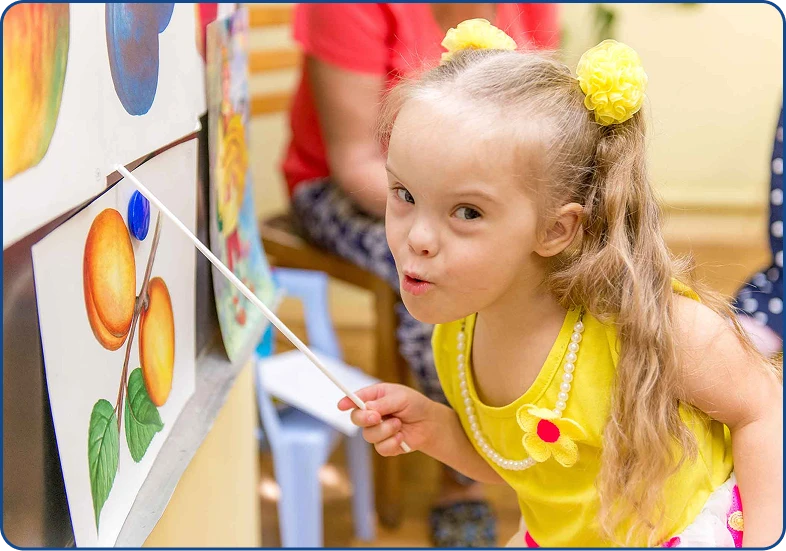
Preschool-age services support children as they prepare for school and continued development.
During this stage, an individual may be assigned a Service and Support Administrator (SSA) to help coordinate services and support the child and family as they transition from Early Intervention into preschool-age services.
Supports focus on developmental growth, education planning, and helping families navigate available resources.
Children between the ages of 3 and 5 may qualify for services based on eligibility criteria established by the State of Ohio.
To receive services, your child must reside in Clermont County, Ohio and have documentation of at least two developmental delays or an established risk.
Our eligibility team is available to answer questions, explain requirements, and assist families throughout the process.
To begin the eligibility process or speak with our team, please contact:
Phone: 513-732-4831
Email: eligibilityservices@clermontdd.org


We will determine eligibility for your child, and can assign a service and support administrator. Your child may qualify for an Individualized Education Plan through their school, which spells out exactly what services the child is to receive. The IEP includes annual goals (both academic and functional) and benchmarks or short-term objectives. Your child’s Support Coordinator will connect you with valuable resources, answer questions, and give support based on yearly goals. We’ll connect you with adult-transition resources, job opportunities, and more.
Children between the ages of 6 and 15 may be eligible for services based on state eligibility requirements.
To receive services, your child must reside in Clermont County, Ohio, have a verified developmental disability and at least three limitations noted on a COEDI Assessment Tool. The COEDI assesses a child’s mobility, self-care, self-direction, capacity for independent living, learning, and receptive and expressive language. Children will have their eligibility re-determined at age 16 for continued services.
Phone: 513-732-4831
Email: eligibilityservices@clermontdd.org


This stage focuses on planning for adulthood, including employment, community involvement, independent living, and continued education. Transition planning supports individuals as they move from school-based services into adult services.
Transition services are an important part of helping individuals build independence and plan for the future.
Additional transition information and resources will be added as services expand.
Individuals age 16 and older may qualify for adult services based on eligibility requirements.
To receive services, the individual must reside in Clermont County, Ohio, have a verified developmental disability, and at least three limitations noted on an OEDI Assessment Tool. The onset of the disability must be documented prior to the age of 22 and must be likely to continue indefinitely. The OEDI assesses an individual’s mobility, self-care, self-direction, capacity for independent living, learning, receptive and expressive language, and economic self-sufficiency.
Phone: 513-732-4831
Email: eligibilityservices@clermontdd.org

Navigating Waivers
Medicaid home and community-based service waivers allow people with developmental disabilities to receive care in their homes and communities instead of in long-term care facilities, hospitals or intermediate care facilities. These programs are called waiver programs because, under current law, eligible people with disabilities and chronic conditions are entitled to facility-based care, but, home and community-based care is considered optional. Therefore, states must apply for “waivers” from the federal government for Medicaid to provide home and community-based services.
Waivers allow people with disabilities to have more control over their lives and to remain active participants in their communities. Eligible individuals must meet specific financial criteria and have a level of care specification.
service and support administrator (SSA)
A service and support administrator (SSA) is the primary point of coordination for people receiving waiver services through CCBDD. SSAs are available for adults and children on waiver services. Our SSAs get to know each person and learn what they need for a good life, respecting that person’s choices and their support team. SSAs connect people to provider agencies, community resources, and funding sources to achieve their life goals. An SSA will help you explore person-centered supports based on your unique needs and funding sources.
Types of Waivers
Waivers are one way to pay for services that support someone with developmental disabilities living on their own, with family, with a roommate, or with a provider through Ohio Shared Living. Services provided through any type of waiver, are all Medicaid approved services. The Ohio Department of Developmental Disabilities (DODD) administers three different types of waivers.
Waivers | Department of Developmental Disabilities